
Pediatric Dentistry Essentials: Nurturing Healthy Smiles from Childhood Onward
Healthy adult smiles often begin with the habits, dental visits, and guidance children receive during their earliest years. Pediatric dentistry does more than treat cavities. It helps parents understand how teeth develop, teaches children how to care for their mouths, monitors growth and alignment, and identifies concerns before they become more complicated.
For families in Nellysford, Virginia, consistent dental care can create a supportive environment from a child’s first visit through the teenage years.
Nellysford Dentist offers general, preventive, pediatric, emergency, and orthodontic-related care, including services for children who are anxious or have special healthcare needs.
When Should a Child Have a First Dental Visit?
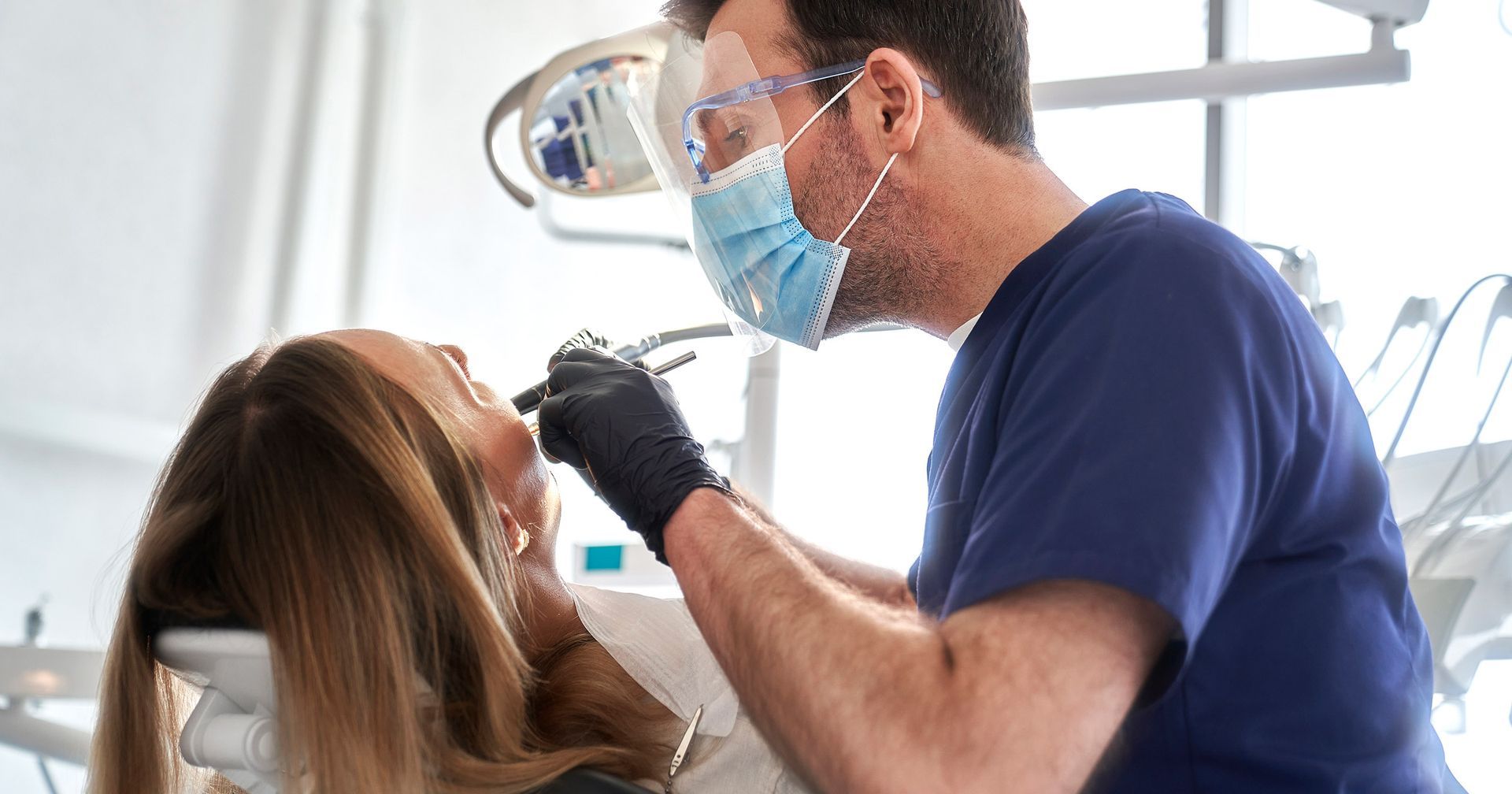
A child’s first dental appointment should generally take place when the first tooth appears or by the first birthday. This early visit is usually simple and focused on prevention, education, and helping the child become comfortable in the dental setting.
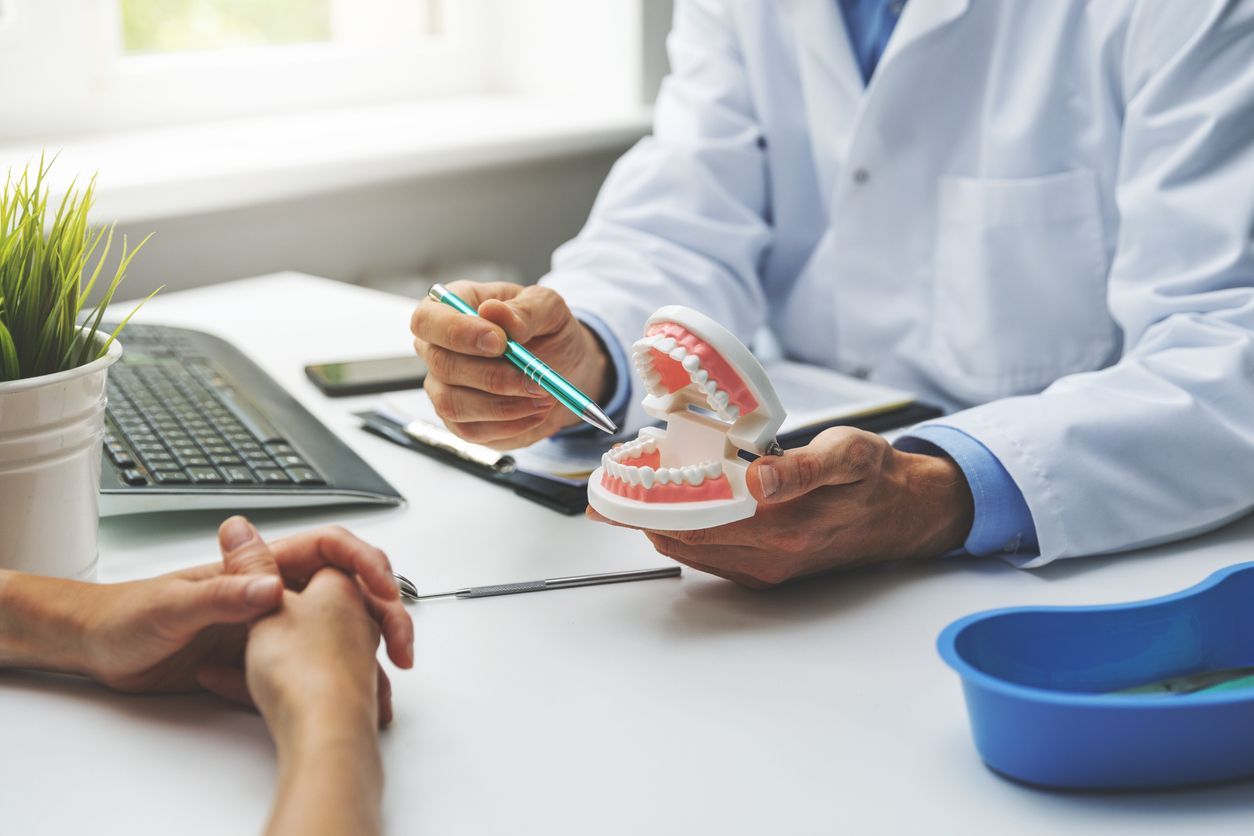
During the appointment, the dentist may gently examine the child’s teeth, gums, bite, and oral development. Parents can receive guidance about teething, brushing, fluoride, pacifier habits, thumb-sucking, bottles, cups, and cavity prevention. The visit also provides a chance to identify early signs of enamel problems, tooth decay, or developmental concerns.
Parents can prepare by using positive language, explaining that the dentist will count and clean the child’s teeth, and scheduling the visit when the child is usually rested. Early visits establish a dental home and allow the dentist to follow changes over time.
Why Childhood Checkups Matter
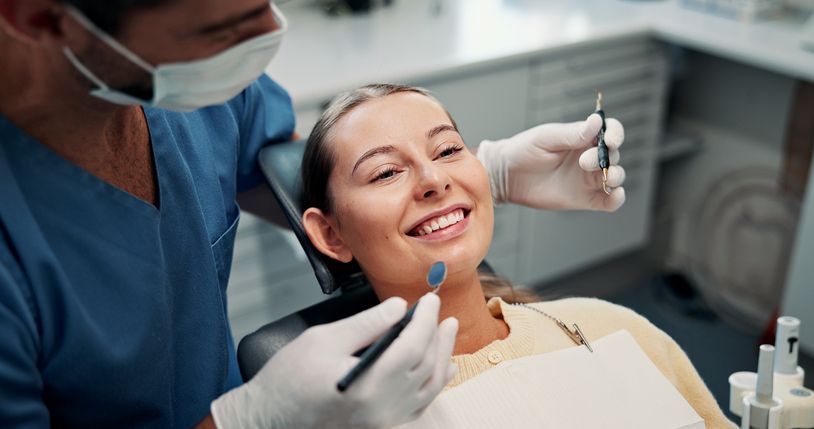
Routine dental checkups allow the care team to monitor much more than cavities. Children’s mouths change quickly as baby teeth erupt, permanent teeth develop, and the jaws grow.
At a typical preventive visit, the dentist and hygienist may evaluate:
- Tooth eruption and development
- Plaque and tartar buildup
- Early signs of cavities
- Gum health
- Bite and jaw growth
- Oral habits such as thumb-sucking
- Enamel defects or injuries
- Space for developing permanent teeth
- The need for fluoride or dental sealants
- Areas that require dental X-rays
Many children benefit from checkups approximately every six months, although the recommended schedule should be based on individual risk. A child with frequent cavities, orthodontic appliances, dry mouth, special healthcare needs, or difficulty cleaning may need closer monitoring.
Nellysford Dentist offers preventive care, professional cleanings, digital X-rays, tooth-colored fillings, crowns, emergency services, and other pediatric treatments. The practice emphasizes education so children can gradually take greater responsibility for their own oral health.
Preventive Dentistry Builds Lifelong Habits
Preventive dentistry aims to stop problems before they cause pain or require complex treatment. For children, the foundation includes daily brushing, cleaning between teeth, regular dental visits, fluoride exposure, sealants when appropriate, and a balanced diet.
Parents should begin cleaning a baby’s gums before teeth appear. Once the first tooth erupts, brush twice daily with a soft, age-appropriate toothbrush and a small smear of fluoride toothpaste. Children ages 3 to 6 generally use a pea-sized amount and still need supervision.
Young children usually need brushing help until they demonstrate a reliable technique. Flossing should begin when neighboring teeth touch. Fluoride strengthens enamel, while dental sealants may protect the deep grooves of permanent molars.
A Tooth-Friendly Diet for Children
Diet affects teeth not only because of what children eat, but also because of how often they eat it. Frequent exposure to sugary or starchy foods gives oral bacteria more opportunities to produce acids that weaken enamel.
Water is usually the most tooth-friendly everyday drink. Milk can support nutrition, but flavored milk and other sweetened beverages may contain significant sugar. Soda, sports drinks, energy drinks, sweet tea, fruit drinks, and frequent juice can increase cavity risk.
Helpful choices include vegetables, whole fruits, dairy products, lean proteins, and whole grains. Parents do not have to eliminate every treat, but serving sweets with a meal is generally better than repeated snacking throughout the day.
Avoid putting a child to bed with a bottle or cup containing milk, formula, juice, or another sweetened drink. Prolonged nighttime exposure can contribute to rapid decay because saliva flow decreases during sleep.
Caring for Baby Teeth Is Important
Baby teeth eventually fall out, but they still play essential roles. They help children chew, speak clearly, smile comfortably, and maintain space for permanent teeth.
Untreated decay in a baby tooth can cause pain, infection, difficulty eating, sleep disruption, and missed school. If a tooth is lost too early, nearby teeth may shift into the space and interfere with the eruption of the permanent tooth.
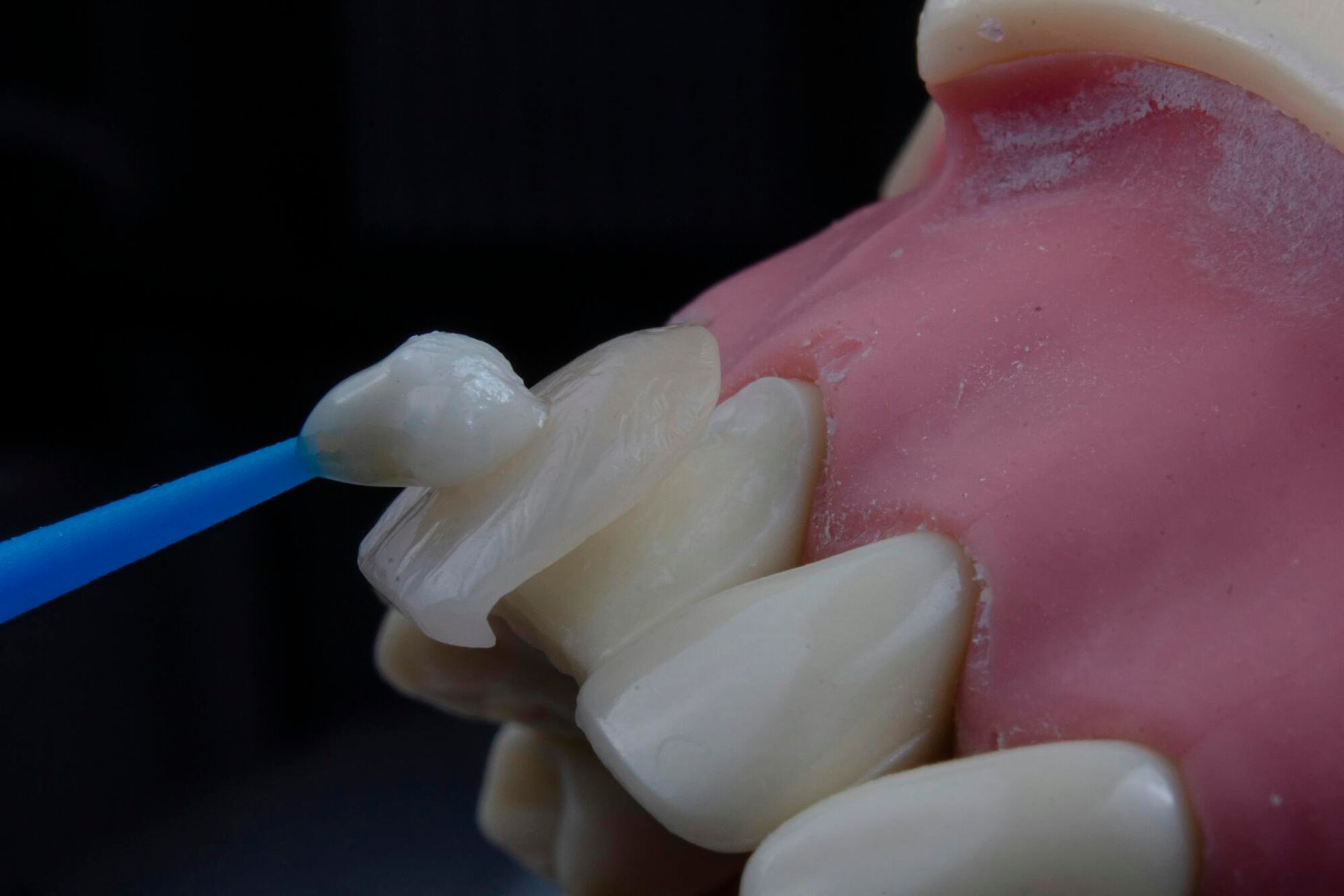
Treatment depends on the tooth, the amount of damage, the child’s age, and how long the tooth is expected to remain. Options may include a tooth-colored filling, crown, pulpotomy, extraction, or space maintenance. Early diagnosis usually gives the dentist more conservative choices.
Supporting Anxious Children and Children With Special Needs
A child’s emotional comfort is part of quality pediatric dental care. Some children need extra time, sensory accommodations, simple explanations, or a gradual introduction to treatment.
Dr. John Davis is a pediatric dental specialist with more than 30 years of experience. He graduated with honors from Roanoke College, earned his DDS from Virginia Commonwealth University, and completed a pediatric dental residency at VCU, where he served as chief resident and assistant clinical professor. He has experience caring for anxious children and children with special needs.
Nellysford Dentist’s pediatric services include nitrous oxide and sedation options when clinically appropriate. Dr. Davis also has sedation dentistry and operating room privileges at Carilion Hospital in Radford, helping support children whose needs cannot be managed comfortably through routine office care.
Monitoring Growth and Orthodontic Needs
Orthodontic evaluation is not only about creating a straighter smile. It can identify crowding, spacing, crossbites, overbites, underbites, open bites, jaw-growth concerns, or permanent teeth that are not erupting as expected.
The pediatric team monitors developing teeth and bone structure during regular visits. Digital imaging may be used when needed to evaluate teeth that have not yet emerged and determine whether future orthodontic treatment could be helpful.
Treatment options may include traditional braces, removable appliances, or clear aligners. The right timing depends on the child’s development and the type of concern. Some problems benefit from earlier intervention, while others are best treated after more permanent teeth have erupted.
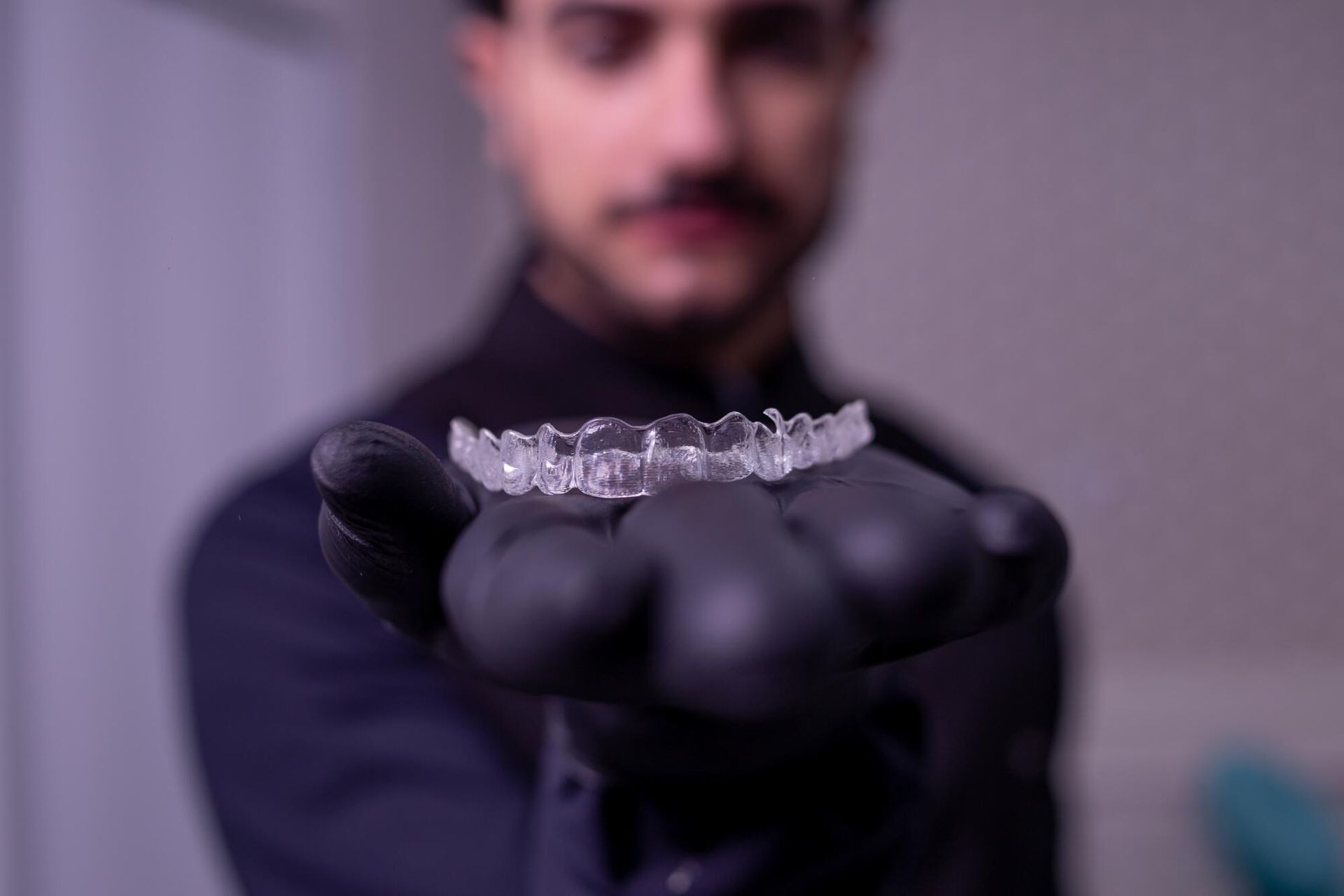
Nellysford Dentist provides Invisalign for appropriate teen and adult patients. Clear aligners are custom-made, removable trays that gradually move teeth. They can be attractive to teens because they are discreet and can be removed for eating, brushing, sports, or special events.
However, Invisalign requires responsibility. Aligners generally need to be worn most of the day and returned to the mouth after meals. A teen who frequently loses appliances or forgets to wear them may do better with a fixed option. An examination is necessary to determine candidacy.
Drs. James and Jennifer Rice each have more than 30 years of dental experience, completed advanced training in restorative, cosmetic, implant, and anxiety-free dentistry, and are Invisalign-certified. This allows families to discuss clear aligner care alongside the practice’s broader preventive and restorative services.
Dental Care During the Teen Years
Teenagers face new oral health risks as they gain independence. Busy schedules, frequent snacking, sports, braces, energy drinks, vaping, and inconsistent brushing can all affect their teeth and gums.
Parents should continue encouraging twice-daily brushing, daily flossing, routine checkups, and mouthguards for sports. Teens with braces need extra attention around brackets, while those using Invisalign should clean their teeth before replacing aligners. Dental visits also provide an opportunity to discuss the oral health risks of tobacco and vaping.
What Parents Should Know About Wisdom Teeth
Wisdom teeth, also called third molars, usually begin developing behind the other permanent teeth and may emerge during the late teen or young adult years. Some people have enough room for them, while others develop impaction, crowding, infection, decay, or damage to nearby teeth.
Regular dental examinations and X-rays help the dentist monitor their position. Wisdom teeth do not always need to be removed simply because they are present. The decision should be based on symptoms, available space, eruption path, cleanliness, and signs of disease.
Call the dentist if a teen develops pain behind the back molars, swollen or bleeding gums, jaw stiffness, persistent bad breath, an unpleasant taste, facial swelling, or difficulty opening the mouth.
When removal is recommended, timing and referral needs depend on the individual case. Monitoring wisdom teeth before they become painful can make planning easier.
Handling Common Childhood Dental Emergencies
Children are active, so dental injuries can happen during play, sports, or falls. Parents should contact the dental office promptly for a broken tooth, severe toothache, facial swelling, uncontrolled bleeding, or a knocked-out permanent tooth.
For a knocked-out permanent tooth, hold it by the crown rather than the root. If it is dirty, rinse it gently without scrubbing. Place it back in the socket when possible, or keep it moist in milk while seeking immediate care. A knocked-out baby tooth should not be replanted because doing so may damage the developing permanent tooth.
Frequently Asked Questions About Pediatric Dentistry
How Often Should My Child Visit the Dentist?
Many children are seen about every six months, but the dentist may recommend a different schedule based on cavity risk, development, orthodontic treatment, or special healthcare needs.
When Should Brushing Begin?
Begin cleaning the gums during infancy. Brush twice daily with fluoride toothpaste as soon as the first tooth erupts.
Are Dental X-Rays Safe for Children?
Digital X-rays use controlled radiation and are recommended only when the expected diagnostic benefit justifies them. The timing depends on the child’s age, risk, symptoms, and development.
What Are Dental Sealants?
Sealants are thin protective coatings placed over the grooves of back teeth. They can help prevent food and bacteria from collecting in areas that are difficult to brush.
Can Children Receive Invisalign?
Invisalign may be appropriate for responsible teens and some younger patients, depending on dental development and the orthodontic issue. The dentist must evaluate candidacy.
Do Cavities in Baby Teeth Need Treatment?
Usually, yes. Untreated decay can cause pain, infection, eating difficulties, and early tooth loss. The treatment plan depends on the tooth and the child’s age.
When Should Wisdom Teeth Be Evaluated?
Dentists often begin monitoring wisdom teeth during the teen years through examinations and X-rays. Removal is recommended only when the position, symptoms, or disease risk support it.
What Should I Do if My Child Is Afraid of the Dentist?
Tell the dental team before the appointment. Positive language, short introductory visits, comfort techniques, and sedation when appropriate can help create a safer experience.
Establish a Healthy Dental Future in Nellysford, VA
Pediatric dentistry gives families the knowledge and support needed to protect growing smiles. Early visits, preventive care, good nutrition, orthodontic monitoring, and timely treatment can help children avoid pain and develop habits they carry into adulthood.
Nellysford Dentist welcomes patients of all ages and offers pediatric, general, preventive, emergency, restorative, and Invisalign care. With experienced general dentists and a dedicated pediatric specialist, families can receive coordinated guidance as children progress from their first teeth to the teen years and beyond.
Scheduling regular childhood checkups gives the dental team an opportunity to follow development, answer questions, and recommend care based on each child’s needs. That steady relationship can make healthy smiles feel familiar, manageable, and achievable for the whole family.