
Dental Care Through the Decades: Tailored Oral Health Tips for Every Age
Oral health is vital at every stage of life, and good habits formed early can benefit you well into adulthood. Whether you are seeking preventive care for your children or maintaining your own smile, proper dental care helps keep your teeth and gums healthy throughout your life. At Nellysford Dentist, we are committed to providing expert dental services for patients of all ages. In this blog post, we will cover general dentistry tips for every decade of life, with tailored advice for pediatric, adolescent, and adult dental health.
General Dentistry: The Foundation of Oral Health
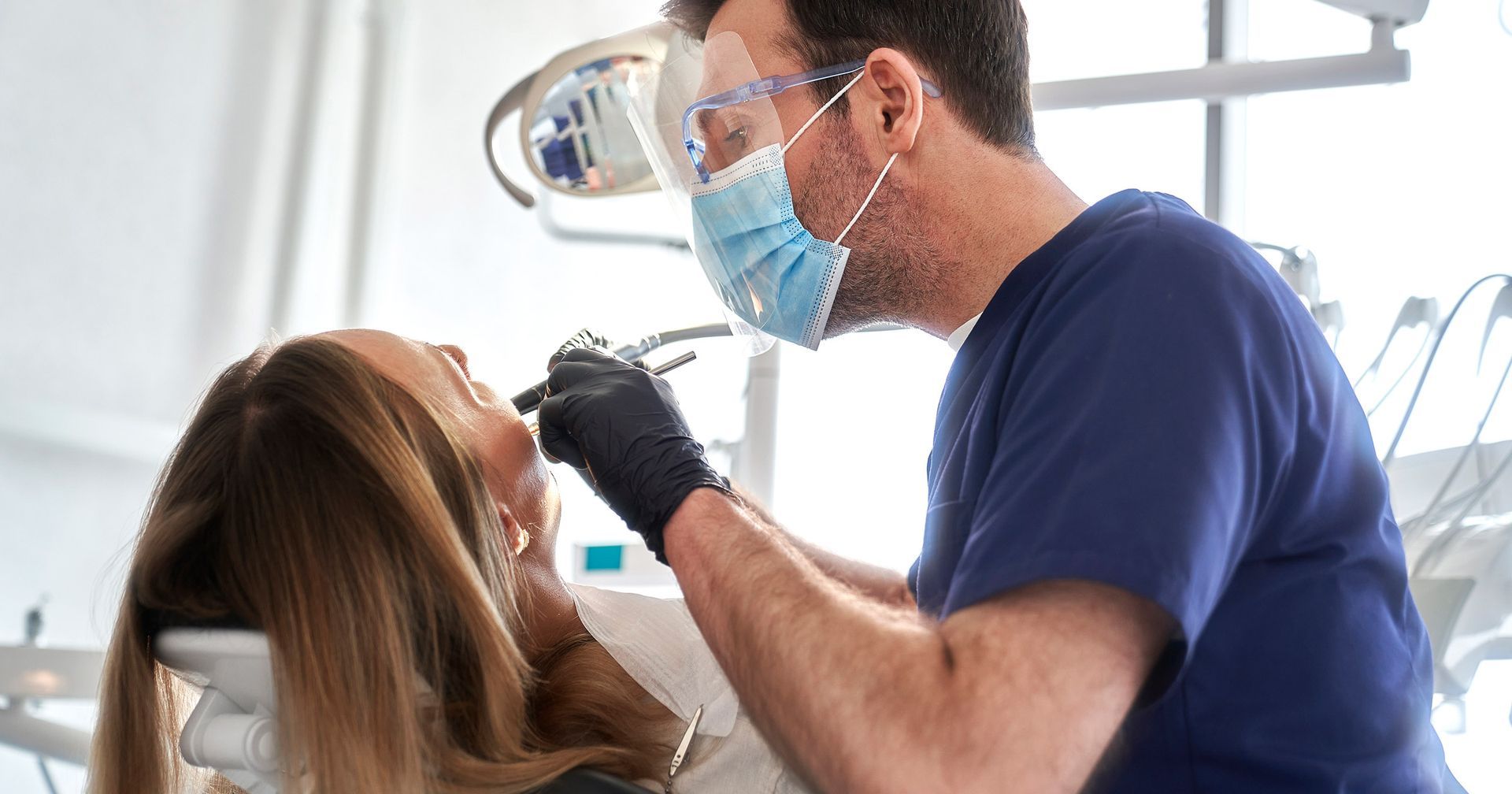
General dentistry is at the heart of maintaining oral health, whether you are a child or an adult. Regular dental visits, professional cleanings, and exams are key to preventing common oral health problems such as cavities, gum disease, and tooth decay. At Nellysford Dentist, we focus on creating personalized treatment plans that suit each patient's unique needs.
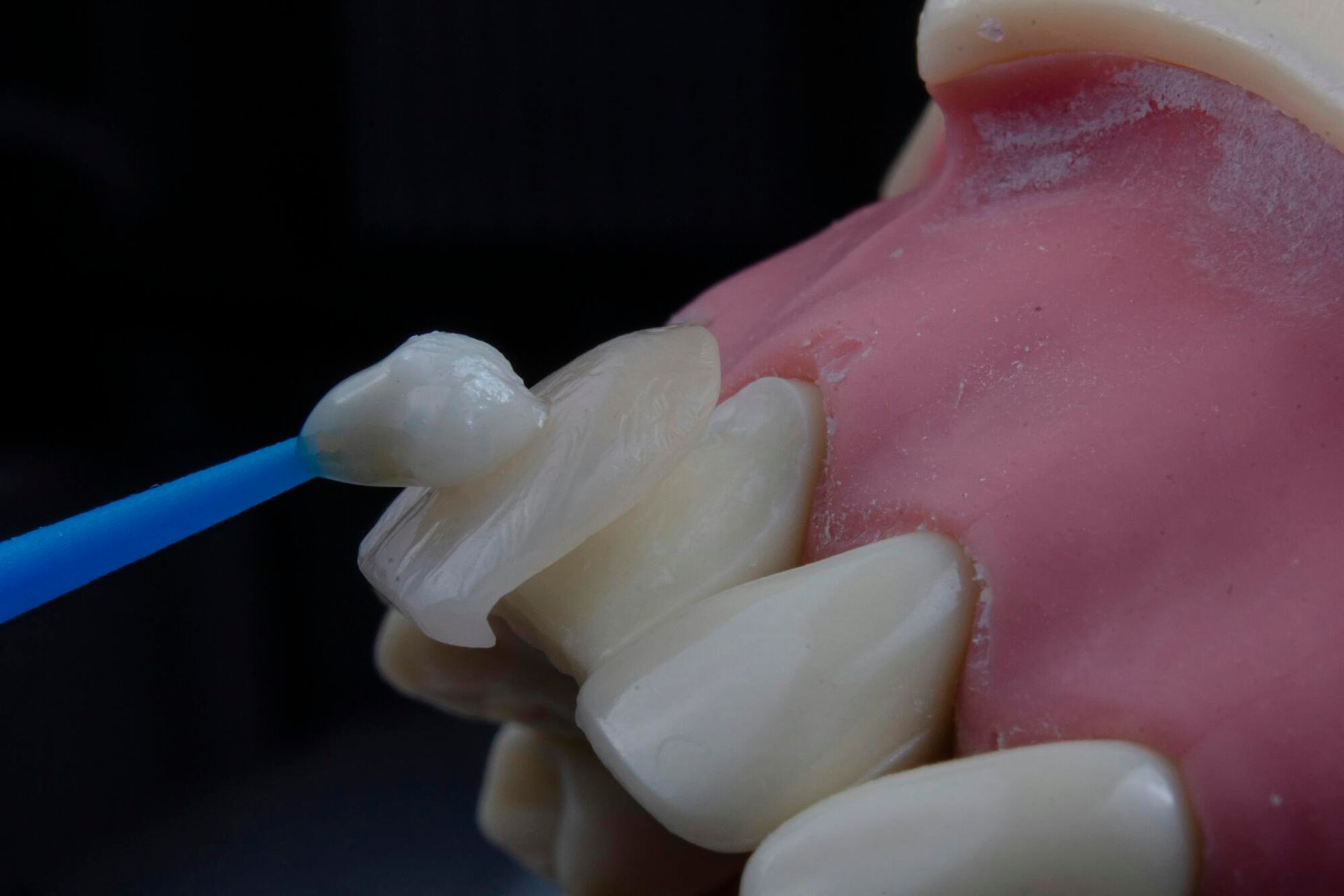
For adults, general dentistry includes treatments such as fillings, crowns, bridges, and, if needed, more specialized services like root canals or periodontal therapy. Our experienced team uses modern technology to ensure that every procedure is as comfortable and effective as possible
Pediatric Dentistry: Setting the Stage for a Lifetime of Healthy Smiles
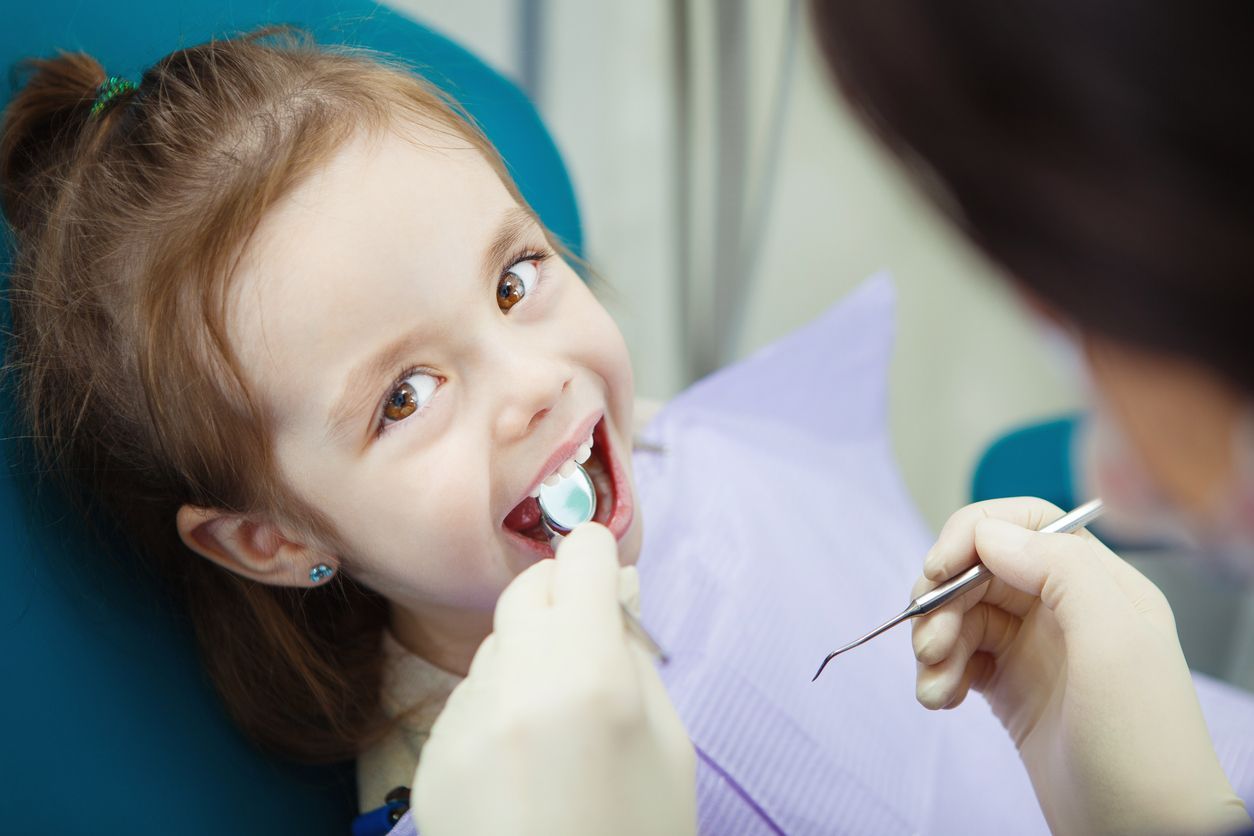
When it comes to children's dental health, starting early is essential. Pediatric dentistry involves not only caring for young teeth but also teaching children the importance of good oral hygiene. Our team specializes in making dental visits fun and educational for children, helping them establish healthy habits for the future.
For younger children, regular check-ups are important for monitoring tooth development and preventing early cavities. We recommend that children begin their dental visits by their first birthday. As they grow older, we continue to provide preventive care and guidance to help them maintain healthy teeth as they transition into adulthood.
Teeth Cleaning: A Key Preventive Service
Professional teeth cleaning is one of the most important steps in preventing oral health problems. Regular cleanings remove plaque, tartar, and bacteria that can lead to gum disease and cavities. We recommend having a professional cleaning at least twice a year, or more frequently if you are at risk for certain oral conditions.
Our team uses state-of-the-art tools to ensure that your cleaning is as thorough as possible, leaving you with a fresh, clean smile. Professional cleanings are crucial for maintaining overall oral hygiene and preventing buildup that can lead to more serious issues, such as periodontal disease.
Dental Check-ups: Catch Problems Early
Routine dental check-ups are essential for maintaining good oral health. During these visits, we perform comprehensive exams to detect early signs of tooth decay, gum disease, and other oral issues that could require intervention. Regular check-ups also allow us to track your oral health over time and catch any potential problems early.
For adults, this can mean screening for cavities, checking for gum disease, and providing personalized advice on maintaining healthy teeth. For children, regular check-ups ensure that their teeth and gums are developing properly and allow us to address any issues before they become major concerns.
Preventive Dentistry: The Best Way to Keep Your Teeth Healthy
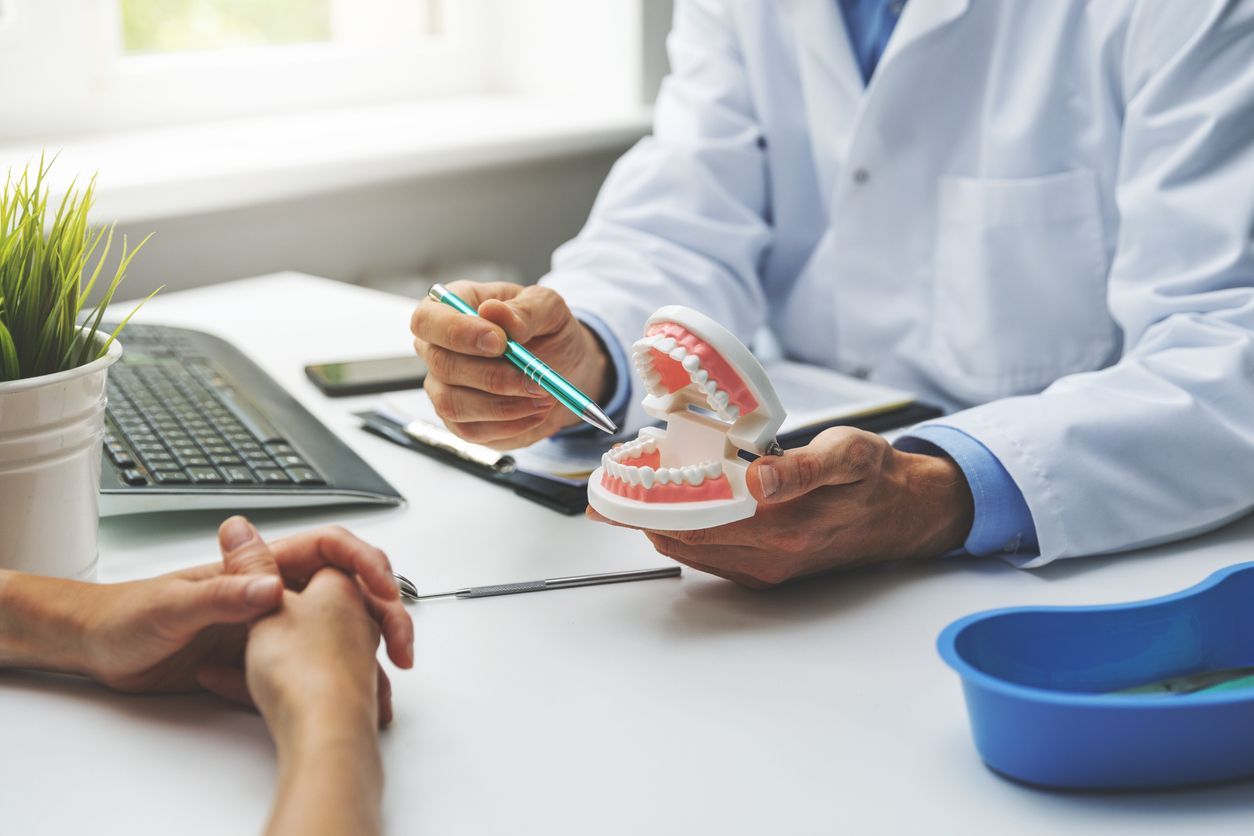
Preventive dentistry focuses on keeping your teeth and gums healthy and preventing issues before they arise. This includes regular exams, cleanings, and education on brushing and flossing. At Nellysford Dentist, we work with you to develop a personalized prevention plan that meets your specific needs.
Our preventive services also include fluoride treatments, dental sealants, and dietary advice to help prevent cavities and gum disease. Preventive care is a cornerstone of maintaining a healthy smile for life.
Common Oral Health Problems and How to Prevent Them
- Cavities: Cavities are one of the most common dental problems, caused by the buildup of plaque and bacteria on teeth. Prevent cavities by brushing twice a day with fluoride toothpaste, flossing daily, and visiting your dentist regularly for cleanings.
- Gum Disease: Gum disease can range from gingivitis to more severe conditions, such as periodontitis. Brushing, flossing, and regular dental visits are key to preventing gum disease.
- Tooth Sensitivity: Sensitivity to hot and cold temperatures can be caused by worn enamel, gum recession, or other issues. If you experience sensitivity, talk to your dentist about treatment options and preventive measures to avoid further discomfort.
- Bad Breath (Halitosis): Poor oral hygiene, gum disease, and other factors can contribute to bad breath. Maintaining a clean mouth through regular brushing, flossing, and hydration is essential for fresh breath.
Tips for Coping with Dental Pain Until You See a Dentist
Dental pain can be intense, but there are a few steps you can take to manage discomfort until you’re able to visit Nellysford Dentist for professional care:
- Over-the-Counter Pain Relief: Nonsteroidal anti-inflammatory drugs (NSAIDs) like ibuprofen can help reduce pain and swelling. Be sure to follow the recommended dosage on the label.
- Cold Compress: Applying a cold compress to the outside of your cheek near the painful area can help numb the pain and reduce swelling. Be sure to wrap the ice in a cloth or towel to avoid direct contact with your skin.
- Salt Water Rinse: Rinsing your mouth with warm salt water can help alleviate discomfort by reducing inflammation and killing bacteria. Simply dissolve half a teaspoon of salt in a glass of warm water and rinse for 30 seconds.
- Avoid Triggering Foods: If you have a toothache or dental injury, avoid eating very hot, cold, sweet, or hard foods that may exacerbate the pain. Stick to soft, lukewarm foods to minimize discomfort.
- Clove Oil: Clove oil has natural analgesic properties and can help numb the pain temporarily. Apply a small amount to a cotton ball and gently press it against the affected area.
While these tips can help manage pain temporarily, they are not substitutes for professional care. Be sure to contact Nellysford Dentist as soon as possible to address the root cause of your pain and get long-term relief.
Cavity Prevention Tips
- Brush Regularly: Brush your teeth twice a day for at least two minutes to remove plaque and food particles. Do not forget to brush your tongue as well to remove bacteria.
- Floss Daily: Flossing is key to removing food particles and plaque from between your teeth that your toothbrush cannot reach.
- Limit Sugary Foods: Sugary and acidic foods contribute to the formation of cavities. Try to limit your intake of sugary snacks and drinks, and brush your teeth after consuming them.
- Visit Your Dentist Regularly: Regular check-ups and cleanings help prevent cavities by removing plaque buildup and identifying issues early.
The Role of Nutrition in Oral Health at Every Age
Nutrition plays a crucial role in maintaining healthy teeth and gums, and it is important to tailor your diet to support oral health at every stage of life. At Nellysford Dentist, we encourage our patients to be mindful of their dietary choices, as they can significantly impact their overall dental well-being. Here is how nutrition affects oral health at every age:
Healthy Diet, Healthy Teeth
A well-balanced diet not only benefits your overall health but also directly influences the condition of your teeth and gums. Essential nutrients such as calcium, vitamin D, and antioxidants support tooth enamel, gum health, and bone strength. By eating nutrient-rich foods, you can reduce the risk of cavities, gum disease, and tooth loss.
- Calcium and Vitamin D for Strong Teeth: Calcium helps build and maintain strong teeth and bones, while vitamin D assists in the absorption of calcium. Foods rich in calcium, such as dairy products, leafy greens, tofu, and fortified plant-based milks, are essential for strong teeth. Vitamin D can be found in fatty fish, egg yolks, and fortified foods.
- Antioxidants for Healthy Gums: Antioxidants found in fruits and vegetables help reduce inflammation and protect your gums from disease. Berries, citrus fruits, and leafy greens are packed with antioxidants that support gum health.
Foods That Promote Healthy Teeth at Different Ages
While a healthy diet is important throughout your lifetime, the specific nutritional needs for oral health vary with age and dental development.
- For Children: At a young age, children need calcium and phosphorus for the development of strong, healthy teeth. Offer calcium-rich foods such as milk, cheese, yogurt, and fortified cereals. Additionally, encourage fruits and vegetables that provide vitamin C, which supports gum health.
- For Adults: Maintaining strong teeth is essential to prevent cavities and gum disease. Eating a diet rich in calcium, vitamin D, and other vitamins helps protect your teeth from wear and tear. Foods like leafy greens, dairy, nuts, and fish are great choices for adults. Also, incorporating fiber-rich foods like apples and carrots can help naturally clean your teeth and gums while providing essential nutrients.
- For Seniors: As we age, tooth enamel may weaken, and gums may recede, making it essential to support oral health with nutrient-dense foods. Seniors should focus on foods high in vitamin D for calcium absorption and vitamin C to help maintain healthy gums. Soft, easy-to-chew foods like cooked vegetables, soups, and fish can help seniors maintain their oral health without straining their teeth or gums.
Foods to Avoid for Optimal Oral Health
Certain foods can contribute to tooth decay, gum disease, and other oral health problems, so it is important to limit or avoid them:
- Sugary and Acidic Foods: Sugary snacks, soda, and acidic foods like citrus fruits can erode tooth enamel and contribute to cavities. If you consume sugary snacks, it is important to brush your teeth afterward.
- Sticky and Hard Foods: Sticky foods like candy, caramel, and dried fruit can stick to your teeth, promoting the growth of harmful bacteria. Hard foods, such as ice or hard candies, can also cause cracks or chips in your teeth.
FAQ Section
How often should I schedule dental check-ups?
We recommend scheduling dental check-ups at least twice a year, though some patients may need more frequent visits depending on their oral health.
What should I do if I experience tooth sensitivity?
If you experience tooth sensitivity, it is important to visit your dentist. Sensitivity may indicate issues such as worn enamel or gum recession, which can be addressed with appropriate treatment.
Are dental sealants necessary for adults?
Dental sealants are most commonly used in children, but adults can also benefit from them. Sealants protect the chewing surfaces of back teeth from decay, especially in teeth with deep grooves.
How can I help my child maintain good oral health?
Start brushing your child’s teeth as soon as they erupt, use fluoride toothpaste, and make regular dental visits. Encourage them to brush and floss regularly and limit sugary snacks.
What is the best toothpaste for sensitive teeth?
If you have sensitive teeth, look for toothpaste formulated for sensitive teeth. These often contain ingredients that help block nerve signals and reduce discomfort.
Conclusion
Good oral health is essential at every stage of life. Whether you are a parent looking to keep your child's smile healthy or an adult striving to maintain your own oral health, regular dental visits and good habits are crucial. At Nellysford Dentist, we are here to help you achieve and maintain a healthy, beautiful smile with personalized care for every age. Contact us today to schedule your appointment and take the first step towards a lifetime of healthy smiles!