
Bone Grafting for Dental Implants: What to Expect Before Your Appointment
Preparing for a dental bone graft procedure? Learn the exact steps to optimize healing and ensure dental implant success.
A dental bone graft procedure rebuilds a weak or thin jawbone so it can support a future implant. Your dentist reviews your medical history and adjusts any medications before surgery. At home, you can stock soft foods and set up a rest space to ease healing.
Planning for transportation and fasting rules before your appointment can help the day go smoothly. According to Data Bridge Market Research, the United States dental bone graft market was worth $408.6 million in 2025 and is projected to hit $1.093 billion by 2033. The growth reflects how many people need this extra step before their jawbone can hold an implant.
If you are facing a bone graft in Nellysford, VA, you likely have questions about what comes next. A little preparation can help you feel ready and confident going into your appointment.
What Is a Dental Bone Graft Procedure?
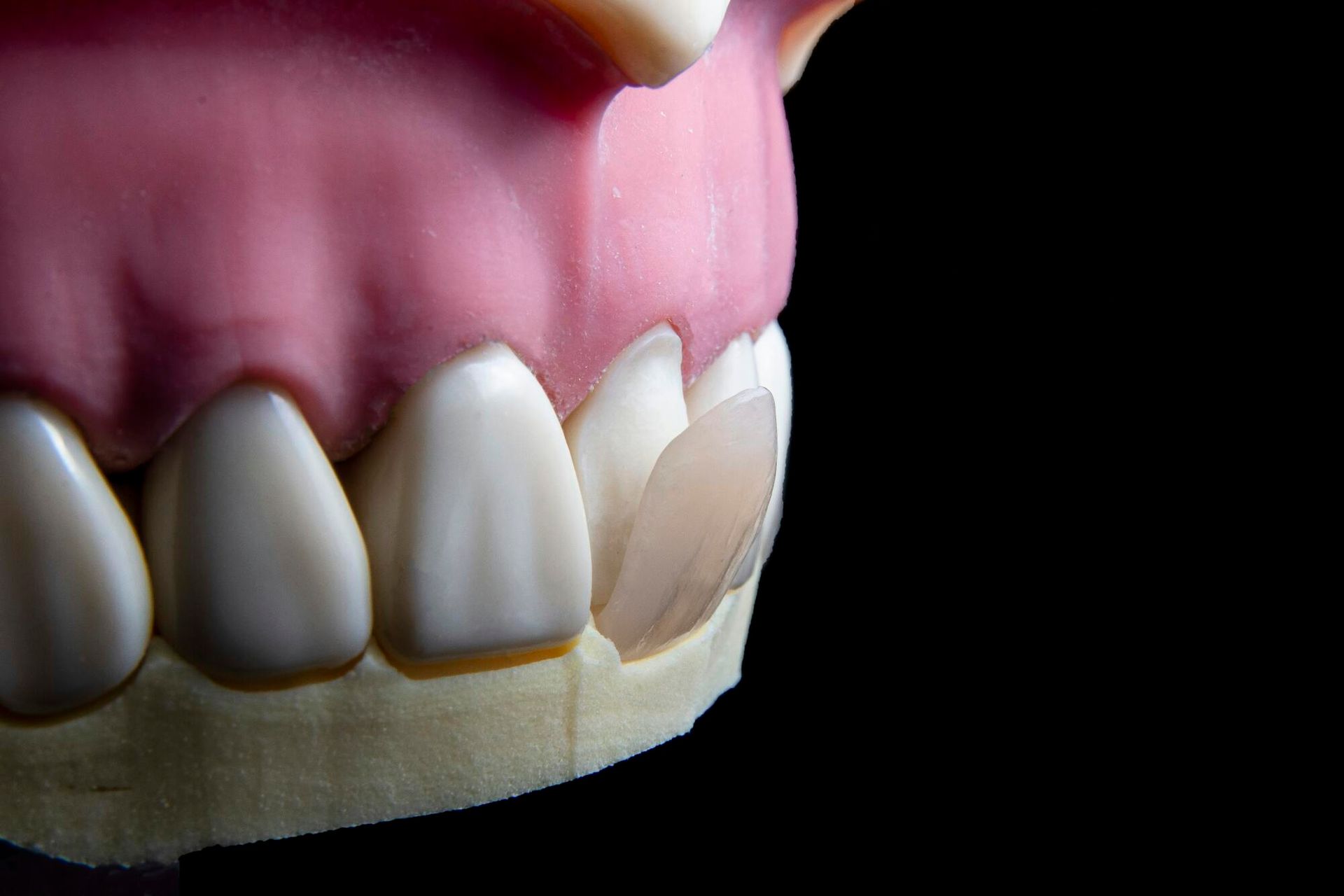
Missing teeth cause the jawbone underneath to lose density from lack of chewing pressure. The bone loss can leave the area too weak to support a dental implant. A dental bone graft procedure adds material to rebuild strength in that spot.
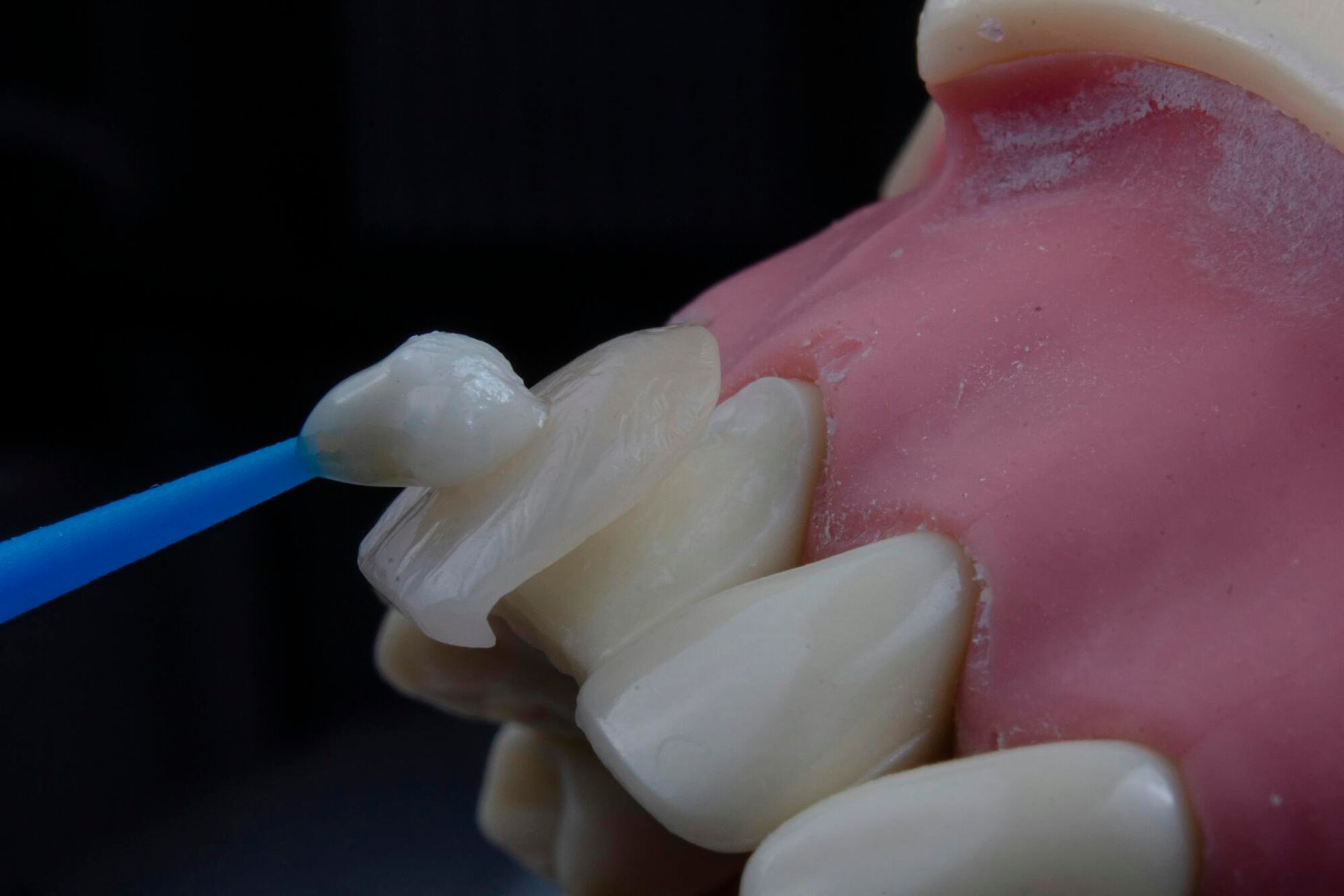
Your dentist in Nellysford, VA places the graft at the site, and new bone gradually forms around it. Over several months, this bone fuses with your jaw, creating a solid base for your implant.
How Do Age Factors Affect Overall Jawbone Density and Regeneration?
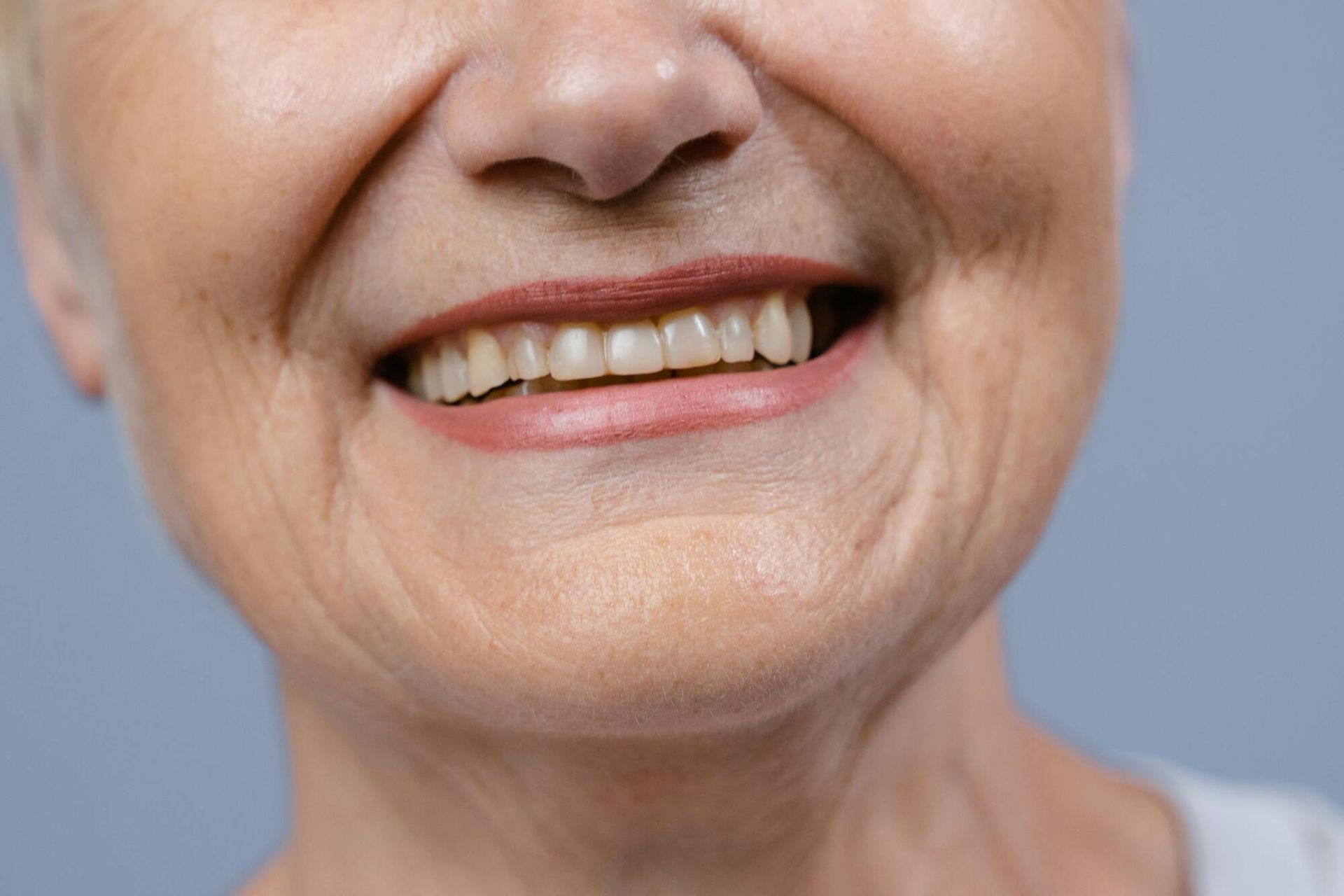
Bone naturally changes as you get older, and this affects how well a graft heals. Younger patients often regenerate bone faster due to stronger circulation and higher cell activity. Older adults may need more healing time, though recovery still varies from person to person.
Age-related changes can affect:
- Cell regeneration speed
- Blood flow to the jaw
- Hormone levels
- Bone mineral density
- Healing timeline
Conditions like osteoporosis can also affect bone quality and how well a graft takes. Your dentist looks at your age and bone health together when mapping out your treatment timeline.
Does Dental Insurance Typically Offer Coverage for Bone Grafting Procedures?
Dental insurance plans often cover part of a bone graft when it is medically necessary for an implant. Some plans classify grafting as a cosmetic procedure and offer little to no coverage instead.
Calling your provider ahead of time reveals what portion falls on you out of pocket. Your dentist can also walk you through coverage details as part of comprehensive restorative planning for your treatment.
Why Do You Need Bone Grafting Before Implants?
Most likely, you have questions about whether a dental bone graft procedure is really necessary for your case. Consulting dental specialists like Nellysford Dentist can clear up any doubts about your specific needs. Our team can walk you through your options and explain why a strong bone base matters.
Restoring Lost Jawbone Density
Missing teeth cause the jawbone to lose density over time since it no longer gets pressure from chewing. Without enough bone, an implant post has little to anchor into.
A bone graft rebuilds this lost volume, giving your jaw the strength it needs. The groundwork supports your smile now and protects your long-term dental health down the road.
Selecting Suitable Graft Material
Your dentist in Nellysford, VA chooses graft material based on your bone loss, health, and treatment goals. Common options include:
- Autograft (your own bone)
- Allograft (donor bone)
- Xenograft (animal-derived bone)
- Synthetic graft material
Each option carries its own healing pattern and success rate depending on your specific case. Picking the right material supports osseointegration success factors and helps your dental implant fuse well with your jaw.
Pre-Op Medical Preparation
Dentists usually undertake various evaluations to determine if a person is a good candidate for a bone graft procedure. The examination can help spot health conditions that may affect healing before treatment begins. From these findings, your dental team can get a clear picture of your overall readiness for surgery.
Reviewing Medical History Details
Healing time after a bone graft might be affected by conditions like:
- Diabetes
- Autoimmune disorders
- Bleeding disorders
- Osteoporosis
- Uncontrolled hypertension
So, before your dentist carries out the dental procedure, a full review of your medical history can help flag any concerns early. Sharing accurate details supports preventing implant failure later in treatment.
Starting Antibiotics and Pre-Rinses
Some patients receive antibiotics before their procedure to lower infection risk during healing. Your dentist might also recommend an antiseptic mouth rinse in the days leading up to surgery. Sticking to this routine helps keep the surgical site clean and supports a smoother recovery.
Pre-Surgery Home Prep
After surgery, you may need a few days to recover before returning to your normal routine. Taking proactive steps before your appointment can help create a conducive space for healing at home.
Stocking Soft Food Supplies
Your mouth needs gentle care in the days following your bone graft, and soft foods make that easier. You can stock your kitchen ahead of time with options like:
- Yogurt
- Mashed potatoes
- Soup
- Scrambled eggs
- Smoothies
- Oatmeal
Avoiding hard or crunchy foods early on protects the graft site while it heals. Planning your meals ahead saves you a grocery trip during recovery.
Setting Up Rest Space
Getting proper rest after surgery gives your body the best chance to heal well. Setting up a comfortable spot with pillows, entertainment, and water within reach can help.
Plan to take it easy for at least a day or two after your appointment. A calm recovery space supports better healing and less stress.
Day-Of Appointment Logistics
Making plans for the things you need on your appointment day can take a lot of stress off your morning. The goal is to walk in feeling prepared instead of scrambling at the last minute.
Following Fasting and Dietary Rules
Eating or drinking too close to your appointment can affect how sedation works. If you're receiving sedation, your dentist may give you fasting instructions to follow beforehand.
Sticking closely to these guidelines can help keep your procedure safe and on schedule. Ask your dental team any questions about timing well before your appointment day.
Arranging Escort and Transportation
Sedation can leave you groggy, so driving yourself home after your procedure is not a safe option. Arranging a ride ahead of time takes one less thing off your plate on appointment day.
Having someone with you afterward also gives extra support if you need help around the house. Confirm your ride a day or two beforehand for peace of mind.
Frequently Asked Questions
Can a Dental Bone Graft Procedure Be Completed in a Single Visit?
Smaller bone grafts can often be completed in one visit, depending on the extent of bone loss. Larger grafts, especially those addressing significant jawbone damage, may need more time or a staged approach.
Your dentist evaluates the size and location of the graft site before your appointment to plan accordingly. Some cases call for multiple procedures spaced months apart to build enough bone for a stable, lasting implant.
Are Painkillers Necessary for Managing Discomfort After a Bone Graft?
Mild discomfort is common after a bone graft, and over-the-counter pain relievers often manage it well. Your dentist may prescribe stronger medication depending on:
- Size of your graft
- Your pain tolerance
- Type of graft material used
- Your overall health history
- Complexity of the procedure
Following the recommended dosage helps keep discomfort under control during the first few days. Ice packs and rest can also ease swelling alongside any medication you take.
Can Smoking Slow Down How Well a Bone Graft Heals?
Smoking reduces blood flow to the gums, which can slow healing and affect graft success. Chemicals in tobacco can also interfere with the body's ability to form new bone at the graft site.
Patients who smoke face a higher risk of infection and dental implant complications down the line. Cutting back or quitting before and after surgery supports better healing outcomes overall.
Does a Bone Graft Require General Anesthesia or Only Local Numbing?
Most bone grafts only need local anesthesia to numb the treatment area during the procedure. Some patients opt for sedation to ease anxiety, especially for larger or more complex grafts. General anesthesia is less common and typically reserved for extensive procedures or specific medical needs.
Can Allergies Influence Which Graft Material a Dentist Recommends Using?
Allergies can rule out certain graft materials, especially for patients sensitive to animal-derived products. Those with allergies may need to avoid xenografts, which come from processed cow bone.
Synthetic materials offer a reliable alternative for patients concerned about donor tissue or animal-based options. Your dentist reviews your allergy history during the dental consultation to help select a safe, suitable material for your procedure.
Prepare Well for Your Dental Bone Graft Procedure to Support Lasting Healing
A dental bone graft procedure works best when you follow your dental team's instructions. Proper preparation and aftercare can help create a strong foundation for your future implant.
At Nellysford Dentist, we offer bone grafting and dental implant services for patients in the Nellysford area. We are made up of experienced professionals like Dr. James Rice, who brings more than three decades of dental expertise to every visit.
Take advantage of our new patient special for only $125, which includes a full exam and cleaning.
Book a dental appointment today to start your journey toward a healthier, more confident smile.